Build a Tile Bathroom That Can Handle Minnesota Winters
Bathroom tile looks hard and solid, so it is easy to think any cracked grout or loose tile must be from bad materials. In cold places like the Twin Cities, that is rarely the full story. Many of the problems that show up after a few winters actually start behind the tile, where you cannot see what is going wrong.
A bathroom is one of the toughest rooms in your home. You have constant moisture, big swings in temperature, and in some cases, tile installed right on exterior walls that are freezing for months at a time. That is a lot to ask from any tile job. When the hidden layers are not planned for our climate, cold weather will find the weak spots.
At Massoglia Contracting in Blaine, we are a licensed and insured general contractor that focuses on bathroom remodeling with detailed custom tile work and long-lasting waterproofing. We design bathroom tile installations for Midwest conditions and back our work with a five-year craftsman’s guarantee.
In this article, we will walk through how freeze-and-thaw cycles affect tile, how to handle insulation and vapor on exterior walls, and how to keep winter condensation from building up behind your tile.
How Midwest Freeze and Thaw Cycles Threaten Bathroom Tile
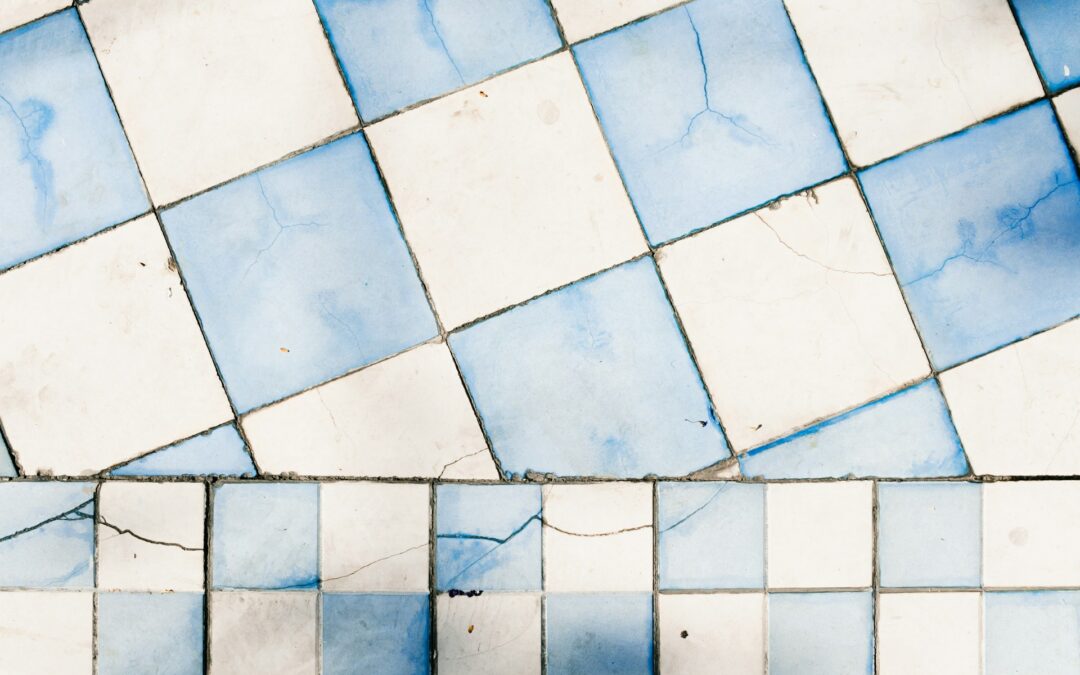
Freeze and thaw damage starts small. Moisture sneaks into tiny gaps in grout lines, corners, and around fixtures. When temperatures drop, that water can freeze inside the assembly. As it freezes, it expands and slowly pushes on tile, grout, and the backer materials behind them. Over many winters, this repeated expansion and contraction can break things apart.
Homeowners around the Twin Cities often notice clues like these:
- Hairline cracks running along grout joints
- Tiles that sound hollow or feel loose underfoot
- Discolored or shrinking caulk lines in corners
- Crumbling edges in shower niches and window surrounds on exterior walls
These issues are not just cosmetic. They are usually warning signs that water is getting behind the tile and being stressed by cold temperatures. If those hidden layers are not protected, you can end up with damaged backer board, rotting framing, or mold growth inside the wall.
A high-quality bathroom tile installation in a cold climate is built to handle this abuse from day one. That means:
- Proper sloping to drains so water leaves surfaces quickly
- High-performance waterproofing membranes in all wet zones
- Flexible sealants at movement joints and changes of plane
- Careful detailing around windows, corners, and penetrations
These steps take time and skill, and they are not visible once the tile is up. But they are what keep that tile from failing after only a few winters.
Smart Insulation and Vapor Control on Exterior Bathroom Walls
Exterior bathroom walls are always higher risk. You have hot, steamy air on the inside and very cold outdoor air on the other side for long stretches of the year. Sometimes plumbing and tile are sharing that same wall. If insulation or vapor control is done wrong, moisture can end up trapped right where freeze and thaw are strongest.
Behind well-built bathroom tile on an exterior wall, you want a wall assembly that works together instead of fighting itself. That usually includes:
- Continuous or well-fitted cavity insulation so there are no big cold spots
- A smart approach to vapor control, instead of multiple plastic layers that hold moisture
- Backer boards and waterproofing membranes that allow drying to at least one side
Older homes and newer homes often need different strategies. A bathroom in a mid-century house may have less wall depth and older framing, so we might adjust framing to allow proper insulation or change how we handle vapor control. A newer build may have different sheathing or existing housewrap that we have to work with.
For tub and shower alcoves on exterior walls, planning is especially important. We look at:
- Whether the existing insulation is complete and installed correctly
- How to seal air leaks so warm, moist bathroom air cannot sneak into cold cavities
- Where plumbing runs and whether it is at risk of freezing behind tile
When these details are handled before any tile is set, the whole wall is more stable, warmer, and drier for the long term.
Stopping Winter Condensation Behind Tile Before It Starts
Winter is prime time for condensation problems. Long hot showers fill the room with moisture. Bathroom doors often stay closed, and fans are not always strong enough or used long enough. At the same time, the wall cavities behind your tile can be very cold. When warm, moist air hits those cold surfaces, the water in the air turns back into liquid and can collect behind the tile.
To prevent this, design and construction need to work together. Good bathroom tile installation in our climate focuses on:
- Choosing a waterproofing system that fits the space, such as sheet membranes or quality liquid-applied systems
- Making sure that membrane coverage is continuous in all wet areas, not just “painted on where it looks wet”
- Avoiding a “moisture sandwich,” where plastic sheeting behind cement board is combined with a non-permeable membrane in front
When moisture gets trapped between two layers that do not allow drying, any small leak or bit of condensation has nowhere to go. Over time, this can cause mold, smells, and material breakdown even if the tile face looks fine.
Homeowner habits also make a big difference in how a bathroom holds up. We encourage simple, daily practices like:
- Using a properly sized, ducted exhaust fan during and after every shower
- Running the fan long enough for surfaces to dry, often with a timer or humidity control
- Allowing warm air to circulate to exterior walls by opening the door after showers
When we remodel a bathroom, we explain how the system works as a whole so the tile and waterproofing we install have the best chance to perform for decades, not just a few cold seasons.
Choosing Cold-Climate Tile Materials and Installation Methods
Material choices support the structure behind them. In a Midwest bathroom, we pay close attention to what goes where. Porcelain tile is usually denser and absorbs less water than many softer tiles, which makes it a strong choice in high-risk areas that might see more moisture or temperature swings.
We also rely on installation products that are made for wet locations. That includes quality thinsets and grouts that are rated for constant moisture. In especially demanding spots, like heavily used showers, we may recommend high-performance grout systems that are more resistant to staining and water.
The base under the tile is just as important as the tile itself. Good substrate preparation includes:
- Flat, properly fastened cement or other approved tile backer boards
- Reinforced corners and transitions so they can handle movement
- Niches, benches, and shelves that are framed to shed water instead of holding it
Once tile is installed, most of this work disappears from sight. But this hidden prep is often the difference between a bathroom tile installation that fails in a few years and one that keeps working far longer.
Because cold air makes building materials move, expansion and movement joints are not optional. We always plan for:
- Perimeter movement joints so the tile surface can expand and contract slightly
- Soft joints at changes of plane, like wall-to-floor and wall-to-ceiling
- Flexible sealants around tubs, shower pans, and other transitions
Allowing for subtle movement lets your tile system flex instead of crack as temperatures and humidity change.
Plan Your Next Remodel for a Lifetime of Winter-Proof Tile
If you are thinking about a bathroom remodel, especially with exterior walls or a tub and shower alcove that runs along the side of your home, it pays to look past color and pattern. The beauty of your tile depends on what is behind it: insulation, waterproofing, air sealing, and smart vapor control that all work together for our Minnesota winters.
At Massoglia Contracting, we focus on high-quality bathroom remodeling with careful custom tile work and waterproofing that is built for Twin Cities homes. As a licensed and insured contractor, we design, install, and stand behind bathroom tile systems with a five-year craftsman’s guarantee, so your bathroom can handle many freeze-and-thaw cycles and still look and perform the way it should.
Get Started With Your Project Today
If you are ready to upgrade your bathroom with precise, durable tile work, our team is here to help you plan every detail. Explore our bathroom tile installation services to see how Massoglia Contracting can bring your ideas to life. We will walk you through material choices, layout options, and scheduling so your project stays on track. Have questions or want to request an estimate? Simply contact us and we will follow up promptly.

Recent Comments