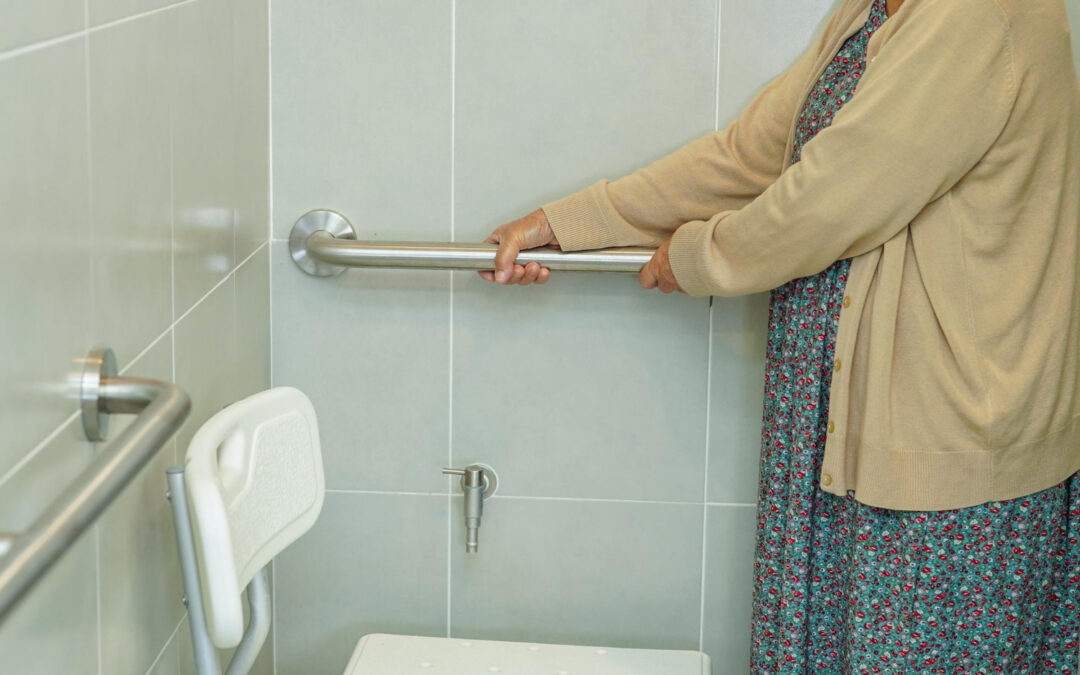
The bathroom is one of the most common places for a fall at home. For someone using a wheelchair, a walker, or a transfer bench, a standard tub and a 24-inch doorway can make the room unsafe or even unusable. Minnesota has a way to pay for fixing this issue and make your bathroom a safer place. Through Medical Assistance home and community-based waiver programs, the state covers bathroom modifications under a service called Environmental Accessibility Adaptations, usually shortened to EAA.
One point to be clear about first is that Medicare does not pay for bathroom remodeling. It may cover certain medical equipment ordered by a doctor, but structural work on a home is outside what Medicare buys. Waiver funding comes through Medical Assistance, which is Minnesota’s Medicaid program, and it works differently.
Which Minnesota Waivers Cover Bathroom Modifications
Environmental Accessibility Adaptations is a covered service under all six of Minnesota’s home and community-based programs:
- DD Waiver for people with developmental disabilities
- CADI Waiver (Community Access for Disability Inclusion)
- CAC Waiver (Community Alternative Care)
- BI Waiver for people with brain injuries
- Elderly Waiver (EW) and Alternative Care (AC) programs for people 65 and older
To use any of them, a person needs to be enrolled in Medical Assistance and meet a level of care standard, meaning the state has determined they would otherwise need care in a nursing facility or hospital. That determination comes out of a MnCHOICES assessment, a free in-home evaluation arranged through your county or tribal human services agency.
Note that Minnesota is in the middle of consolidating its four disability waivers under an initiative called Waiver Reimagine. Program names and structures may change. Your county case manager will know the current status.
What Minnesota Waivers Pay for in a Bathroom Remodel
DHS covers modifications that are necessary because of a person’s assessed disability or condition, not general home improvement. In a bathroom, approved work commonly includes:
- Roll-in or curbless showers
- Grab bars and reinforced walls
- Widened doorways
- Lowered or roll-under sinks, cabinets, and countertops
- Slip-resistant flooring
- Comfort-height fixtures
- Specialized plumbing or electrical work needed to run medical equipment
- Ceiling track lift systems
- Ramps needed to reach the bathroom
DHS funds the most cost-effective option that meets the assessed need. If a roll-in shower and a more expensive product both solve the same problem, expect the county to authorize the less expensive one.
Several things fall outside the program:
- General repairs, maintenance, or code compliance that the homeowner is responsible for
- Items chosen for comfort or convenience
- Water heaters, even when a new tub would call for a larger one.
- Adding square footage is generally excluded, though DHS allows an exception when extra space is genuinely required to build a wheelchair-accessible bathroom.
Cosmetic upgrades are still available to you. If the approved plan calls for standard tile and you want stone, you pay the difference in materials and labor under a separate private agreement with your contractor. The waiver covers the accessible baseline.
How Much the Waiver Pays
The four disability waivers (BI, CAC, CADI, and DD) allow up to $40,000 in Environmental Accessibility Adaptations per waiver year. When a project costs more, the lead agency can request a DHS exception that draws from the following year’s budget, allowing up to $80,000 across a two-year period. That exception requires two comparison bids and documentation that the work is cost-effective and increases the person’s functional use of the home.
Elderly Waiver and Alternative Care use a lower annual limit that DHS adjusts every January based on inflation. There is no exception process for these two programs, and the cost also has to fit within the person’s monthly budget cap. Ask your care coordinator for the current figure before you plan a project.
How to Get a Bathroom Remodel Approved Through a Minnesota Waiver
The construction is rarely the slow part. Assessment, planning, and authorization take most of the calendar, so start early.
- 1. Request a MnCHOICES assessment. Call the county or tribal nation where you live and say specifically that you are requesting a MnCHOICES assessment. Some counties take the request through an intake or referral line first, then schedule a certified assessor to come out. In Anoka County, that is the Long-Term Services and Supports intake. The assessment is free, and you do not need to have Medical Assistance in place before you request it.
- Work with your case manager. Once you are enrolled, a case manager or care coordinator helps write the modification into your support plan, tied to a documented need.
- Get a home modification assessment. Complex projects require an evaluation by a qualified professional, such as a Certified Aging-in-Place Specialist, a Minnesota Department of Labor and Industry certified accessibility specialist, or a licensed occupational or physical therapist. The person who assesses your home generally cannot bid on the work.
- Collect bids. Your lead agency reviews them to confirm the plan is cost-effective and actually makes the bathroom usable.
- Wait for prior authorization. All EAA work must be approved before anyone starts demolition. Work done ahead of authorization will not be reimbursed.
- Build and verify. After the work passes inspection and you confirm it meets your needs, the final payment is released.
Your Contractor Has to Be Enrolled with DHS
Waiver funds move through Minnesota Health Care Programs, so the provider doing the work has to be enrolled and set up to bill through that system. A skilled remodeler who is not enrolled cannot be paid with waiver dollars, no matter how good the bid looks. Families sometimes get several months into planning before they learn this.
There is also a self-directed route. Consumer Directed Community Supports, or CDCS, lets a person manage a set budget and choose their own vendors. The same rules apply on what counts as an allowable modification, and every expense still needs approval in the community support plan before the money is spent.
What to Do if a Waver is Not an Option
Several other Minnesota programs help with accessibility work:
- Minnesota Housing offers a Rehabilitation Loan Program for income-qualified homeowners and a Fix Up loan with reduced rates for accessibility improvements.
- Rebuilding Together Minnesota provides free repairs and accessibility work for income-qualified households that include someone 55 or older or living with a disability.
- Twin Cities Habitat for Humanity runs A Brush with Kindness for minor repairs and accessibility upgrades.
- Veterans may qualify for VA housing grants, including SAH, SHA, and HISA.
- Rural homeowners can look at USDA Section 504 repair loans and grants.
Talk to Us before You Commit to a Plan
Massoglia Contracting is an enrolled Minnesota DHS waiver provider, and we remodel bathrooms across the north metro. We are experienced with working alongside case managers and sizing a scope that fits within waiver limits.
If you or a family member is enrolled in a waiver and the bathroom has become a problem, reach out. We will walk through what the program will likely cover, what it will not, and what the work would look like in your home.

Recent Comments